

January 10, 2022
From wheelie bins to technology, car thieves are using all sorts of tactics to part owners from their vehicles. In this post, we’re bringing to light some of the most common strategies being used to steal vehicles, as well as sharing advice on how to avoid becoming a victim of motor theft.
Almost 75,000 cars were stolen in 2020, up 33 per cent on 2019, according to the DVLA. Further provisional figures from the National Police Chiefs’ Council show a 3.1 per cent increase in vehicle crime between May and June 2021. Sophisticated or just plain cunning, it is vital to be aware of the ways in which vehicle thieves are operating, so that you don’t become one of the growing statistics.
Wheelie bins
You arrive home after a long journey to spot your wheelie bin at the end of your drive. What would your first, natural reaction be? Of course, to hop out of the car and move the bin out of the way, so you can pull onto the driveway. But this is actually a tactic to steal cars.
As the driver jumps out of the car to move the bin, leaving the engine running, so criminals hop in and drive off with the vehicle. As the keys have been left in the car, many insurance policies won’t cover this type of theft.
So, if your wheelie bins seems oddly out of place when you arrive home, take care. Park around the corner, switch off the engine, and check around for anyone suspicious. If you see anyone acting strangely, call the police, and don’t leave your vehicle. Otherwise, be sure to switch off your engine and lock your car before getting out to move your bin back.
Keyless car theft
The bulk of reported vehicle crime between May and June 2021 was attributed to keyless theft.
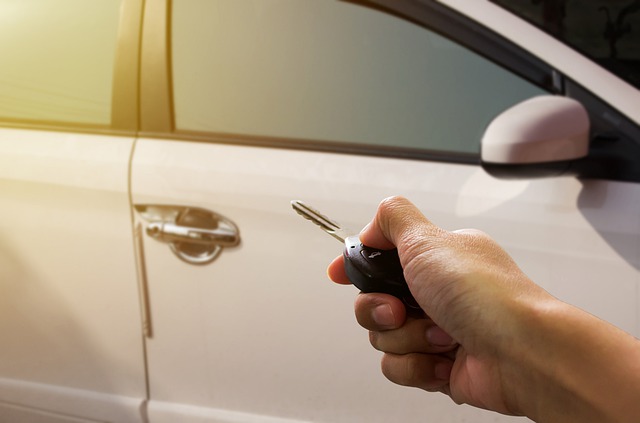
Most modern vehicles now open with keyless technology. Unfortunately, thieves have found ways to exploit this. One way is called ‘signal relaying’, and involves the use of a range extender. The thief watches the owner leave the car with the opening fob on their person, then uses the range extender to send the entry signal back to the car. An accomplice waits by the car ready to jump in once the doors are unlocked.
Another method used is ‘key programming’. This involves the thief breaking into the car and then plugging the diagnostic port with a device designed to programme a blank key.
Finally, ‘signal jamming’ sees thieves making use of a device that transmits on the same radio frequency as the fob. The device jams the signal, so that as the driver walks away from the car thinking they’ve locked it, in actual fact the signal jammer has prevented this from happening, so the car is unlocked and ready for the thief to take.
Keyless vehicle owners are urged to ensure they never leave their fobs in the car, and to keep keys in a safe place whilst at home or at work, well out of range of the vehicle, bearing in mind that most fobs have a range of 5-20 metres.
When you park up, always make sure your indicators flash when you push the lock button, so you can be sure you do not fall victim to signal jamming.
Signal relaying can be avoided by carrying your fob in a protective wallet, or by locking it in a safe or tin whilst at home or work.
Some key fobs offer the option to switch them off completely, and there is another keyless car theft solution in the shape of fobs that are fitted with a sleep mode.
How to keep your vehicle safe from theft?
You will undoubtedly rely a great deal on your vehicle, whether it’s for work, for leisure or for family. You’ll therefore want to take steps to ensure it is not taken unlawfully, so that you are not left without it.
Out of sight, out of mind
It can be easy to leave items in our cars or work vans that we know we’re going to need on our next journey. However, an opportune thief may spot something on the back seat and feel compelled to break in and steal it. Once they’re in, they may also hot wire the vehicle and take it.
So, if you need to leave anything in a vehicle, be sure to lock it in a glove box or in the boot. Ideally though, you’ll empty your vehicle at the end of the day. This is especially important with work vehicles, which are prime targets for thieves on the lookout for opportunities to take the likes of tools or hairdressing equipment, for example.
Choose your route carefully
Try to stick to main routes where possible, especially if you’re in an area that’s unknown to you. Car thieves may stake out lesser-known areas, hoping for someone who is lost. They may pretend to be broken down, so you stop to assist them. Similar to the wheelie bin trick, they’re hoping drivers will leave the ignition running, so they can make a quick getaway.
If you’re parking up after dark, always choose a well-lit car park with CCTV, as this could put criminals off from targeting your vehicle.
Be prepared
There are various devices you can invest in that will deter criminals, or stop them in their tracks. These include:
- Steering wheel, gearstick and handbrake locks – while they’re not 100% indestructible, they act as an excellent deterrent.
- Kill switches – hidden way, they either intercept the flow of electricity to the battery or ignition, or disarm the fuel pump.
- Immobilisers – if someone tries to hot wire your vehicle, an immobiliser will prevent the car from starting by stopping the ignition, fuel and starter motor from working together.
- Trackers – if your car or work vehicle is stolen, a covert GPS tracking device can help you to recover it, without the criminals knowing you’re tracking them.
- Garage – if you have a garage, be sure to use it, or at least use any off-street parking that you have access to. Cars parked off the road are known to be less likely to be stolen. If you have no choice but to park on the street, try to leave your vehicle in a well-lit, busy area.
- CCTV and security lighting – both act as deterrents, and CCTV will provide vital footage for the police if an attempt is made to take your vehicle
Tailored vehicle insurance solutions from Robert Gerrard
With vehicle thefts on the rise, you will naturally want to reassure yourself that your vehicle is sufficiently insured. At Robert Gerrard, we offer helpful expertise and tailored insurance solutions to suit a variety of requirements, including private and fleet cover, together with specialist cover for high value, performance, prestige and collectors’ models. You are welcome to contact us for a quotation that is bespoke to your specific needs.
Share This Story, Choose Your Platform!
From wheelie bins to technology, car thieves are using all sorts of tactics to part owners from their vehicles. In this post, we’re bringing to light some of the most common strategies being used to steal vehicles, as well as sharing advice on how to avoid becoming a victim of motor theft.
Almost 75,000 cars were stolen in 2020, up 33 per cent on 2019, according to the DVLA. Further provisional figures from the National Police Chiefs’ Council show a 3.1 per cent increase in vehicle crime between May and June 2021. Sophisticated or just plain cunning, it is vital to be aware of the ways in which vehicle thieves are operating, so that you don’t become one of the growing statistics.
Wheelie bins
You arrive home after a long journey to spot your wheelie bin at the end of your drive. What would your first, natural reaction be? Of course, to hop out of the car and move the bin out of the way, so you can pull onto the driveway. But this is actually a tactic to steal cars.
As the driver jumps out of the car to move the bin, leaving the engine running, so criminals hop in and drive off with the vehicle. As the keys have been left in the car, many insurance policies won’t cover this type of theft.
So, if your wheelie bins seems oddly out of place when you arrive home, take care. Park around the corner, switch off the engine, and check around for anyone suspicious. If you see anyone acting strangely, call the police, and don’t leave your vehicle. Otherwise, be sure to switch off your engine and lock your car before getting out to move your bin back.
Keyless car theft
The bulk of reported vehicle crime between May and June 2021 was attributed to keyless theft.
Most modern vehicles now open with keyless technology. Unfortunately, thieves have found ways to exploit this. One way is called ‘signal relaying’, and involves the use of a range extender. The thief watches the owner leave the car with the opening fob on their person, then uses the range extender to send the entry signal back to the car. An accomplice waits by the car ready to jump in once the doors are unlocked.
Another method used is ‘key programming’. This involves the thief breaking into the car and then plugging the diagnostic port with a device designed to programme a blank key.
Finally, ‘signal jamming’ sees thieves making use of a device that transmits on the same radio frequency as the fob. The device jams the signal, so that as the driver walks away from the car thinking they’ve locked it, in actual fact the signal jammer has prevented this from happening, so the car is unlocked and ready for the thief to take.
Keyless vehicle owners are urged to ensure they never leave their fobs in the car, and to keep keys in a safe place whilst at home or at work, well out of range of the vehicle, bearing in mind that most fobs have a range of 5-20 metres.
When you park up, always make sure your indicators flash when you push the lock button, so you can be sure you do not fall victim to signal jamming.
Signal relaying can be avoided by carrying your fob in a protective wallet, or by locking it in a safe or tin whilst at home or work.
Some key fobs offer the option to switch them off completely, and there is another keyless car theft solution in the shape of fobs that are fitted with a sleep mode.
How to keep your vehicle safe from theft?
You will undoubtedly rely a great deal on your vehicle, whether it’s for work, for leisure or for family. You’ll therefore want to take steps to ensure it is not taken unlawfully, so that you are not left without it.
Out of sight, out of mind
It can be easy to leave items in our cars or work vans that we know we’re going to need on our next journey. However, an opportune thief may spot something on the back seat and feel compelled to break in and steal it. Once they’re in, they may also hot wire the vehicle and take it.
So, if you need to leave anything in a vehicle, be sure to lock it in a glove box or in the boot. Ideally though, you’ll empty your vehicle at the end of the day. This is especially important with work vehicles, which are prime targets for thieves on the lookout for opportunities to take the likes of tools or hairdressing equipment, for example.
Choose your route carefully
Try to stick to main routes where possible, especially if you’re in an area that’s unknown to you. Car thieves may stake out lesser-known areas, hoping for someone who is lost. They may pretend to be broken down, so you stop to assist them. Similar to the wheelie bin trick, they’re hoping drivers will leave the ignition running, so they can make a quick getaway.
If you’re parking up after dark, always choose a well-lit car park with CCTV, as this could put criminals off from targeting your vehicle.
Be prepared
There are various devices you can invest in that will deter criminals, or stop them in their tracks. These include:
- Steering wheel, gearstick and handbrake locks – while they’re not 100% indestructible, they act as an excellent deterrent.
- Kill switches – hidden way, they either intercept the flow of electricity to the battery or ignition, or disarm the fuel pump.
- Immobilisers – if someone tries to hot wire your vehicle, an immobiliser will prevent the car from starting by stopping the ignition, fuel and starter motor from working together.
- Trackers – if your car or work vehicle is stolen, a covert GPS tracking device can help you to recover it, without the criminals knowing you’re tracking them.
- Garage – if you have a garage, be sure to use it, or at least use any off-street parking that you have access to. Cars parked off the road are known to be less likely to be stolen. If you have no choice but to park on the street, try to leave your vehicle in a well-lit, busy area.
- CCTV and security lighting – both act as deterrents, and CCTV will provide vital footage for the police if an attempt is made to take your vehicle
Tailored vehicle insurance solutions from Robert Gerrard
With vehicle thefts on the rise, you will naturally want to reassure yourself that your vehicle is sufficiently insured. At Robert Gerrard, we offer helpful expertise and tailored insurance solutions to suit a variety of requirements, including private and fleet cover, together with specialist cover for high value, performance, prestige and collectors’ models. You are welcome to contact us for a quotation that is bespoke to your specific needs.