

January 17, 2023
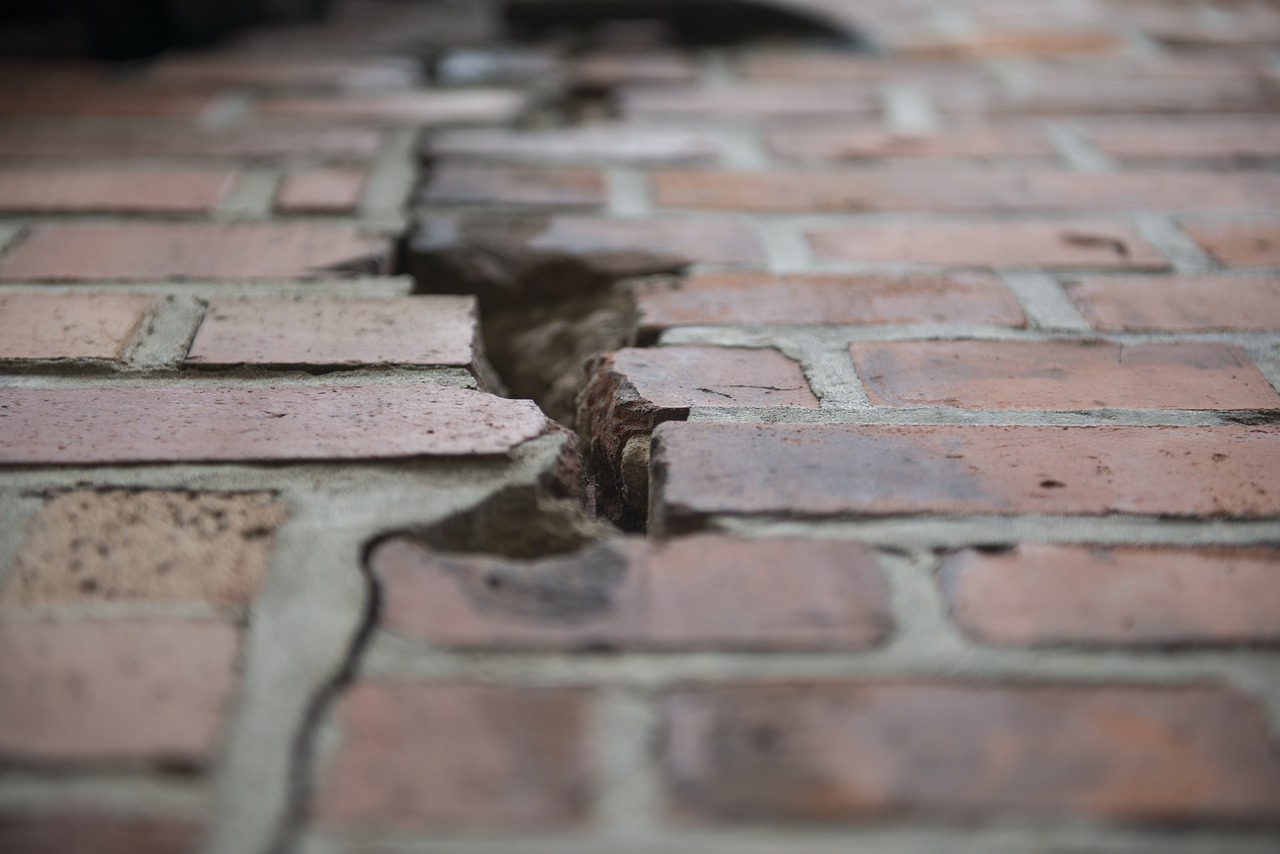
The long, hot summer of 2022 may seem a distant memory now that we’re in the grips of winter, but for some, its effects are only just coming to light. With cracks appearing within properties due to the prolonged dry weather, and an increase in subsidence claims over the past few months, insurers are issuing advice to homeowners on what to look out for, and what to do if subsidence is suspected.
What is subsidence?
Subsidence occurs when the foundations of a building move downwards because of a loss of support from the soil below it, known as the subsoil. This downward movement can happen for a variety of reasons, but the most common is water damage, or clay shrinkage caused by tree root systems.
Clay soil has a natural tendency to swell and then shrink back again as moisture levels change. Root-induced clay shrinkage occurs when a nearby tree absorbs moisture from the soil, which is common in prolonged, dry weather. This causes the clay to shrink, affecting the ground support for the building.
When the ground support changes, the foundations of a building drop leading to structural distress, which can manifest as cracks within the property.
In terms of water damage, water escaping from drains or sewers close by can wash the supporting soil away from beneath a building. This can also result in movement and structural distress.
Are all cracks subsidence?
It is easy to jump to the conclusion that any crack that has recently appeared within your property is subsidence. But this is not always the case.
Some cracks are down to settlement, where a newly built property is settling into its foundations. These cracks tend to be thin, and don’t get wider over time.
Other reasons for cracks can be plaster shrinkage; damp and moisture ingress; climbing plants; neighbouring building works, and differential movement where cracks occur at the junction between two structures with foundations of different depths, for example a main building, and a newly constructed extension.
However, if cracks develop after a long, dry weather spell; they are small at the bottom and wide at the top and have appeared around doors and windows, and you have found that doors or window locks no longer align, then you may be dealing with subsidence. Also, if your property was constructed pre-1950s, it may be at a higher risk of subsidence, as buildings of this age tend to have shallow foundations.
In such cases, you should talk to your insurance broker or insurer without delay so that they can carry out an investigation on your behalf.
How is subsidence identified?
Once you have reported your concerns to your insurance broker or insurer, they will send a claims specialist to inspect your property to confirm whether the issue actually is subsidence.
The investigation can take some time, as the property’s foundations will need to be checked, as well as the supporting subsoil and any nearby tree roots.
A survey may also need to be carried out of the local drainage system. Sometimes, your property’s water pressure will need to be tested, and the frequency and severity of any cracks within the structure of the building will need to be monitored.
All of this can take a few months, but it is important to be thorough so that the specialists can come up with the best solution for your individual property.
What happens if subsidence is confirmed?
If the insurer’s claims specialist confirms the issue is definitely subsidence, they will move quickly to fix it.
In cases where tree roots have been identified as the cause, the tree may need to be removed to allow the subsoil to expand. This will often allow the foundations of the property to move back into their correct position, and the cracks inside will naturally repair themselves.
If the cause of the subsidence was a faulty drainage system or a broken water main, the relevant authorities will be contacted to rectify the problem. Once fixed, again the foundations should move back into place, and the cracks should naturally close up.
Once the property is confirmed as stable, which could take a while, the insurer will arrange for any remaining cracks and structural damage to be repaired. If necessary, the property will also be redecorated.
From time to time, in cases where subsidence is severe, it may be necessary to take steps to strengthen the foundations of the property. This is known as underpinning. Whilst this is a time-consuming and often disruptive process, it is in actual fact very rare, only proving necessary in 5% of cases.
Is there a way to prevent subsidence?
Of course, it is not possible to control the weather. But there are a number of straightforward steps you can take to minimise the risk of subsidence occurring.
Firstly, if you live in an area with clay soil, avoid planting trees close to your house. Bear in mind that tree roots spread up to three times the height of a tree. The actual distance will depend on the particular species of tree.
For example, cherry and rowan tree roots can grow up to around 11 metres, whilst oak tree and poplar roots can reach 30 metres, and willow tree roots 40 metres. So even if you don’t have clay soil, you are still well advised to avoid planting trees where the roots may grow underneath the property.
Maintaining trees so that they don’t grow overly large is another good piece of advice. The larger the tree’s canopy, the bigger its root system will grow and the more moisture it will absorb from the soil.
Trees play an important role in our ecosystem and in fighting climate change, so taking care of them and approaching planting carefully is preferable to letting them grow out of hand then needing to remove them altogether.
Finally, keeping plumbing and drainage systems well-maintained and having them regularly checked will also help to minimise the risk of subsidence, as will reporting any issues to the relevant authorities without delay. Older drains with ageing seals and rigid joins are more prone to damage.
What to do if I suspect subsidence?
If you suspect your property is suffering from subsidence, let your insurance broker or insurer know as quickly as possible so that they can get investigations underway on your behalf.
If your insurance has been arranged through Robert Gerrard, please do not hesitate to get in touch with your regular buildings insurance contact without delay. We’ll talk you through the next steps, answer any questions you may have, and support you throughout your claim until the situation is resolved.
Share This Story, Choose Your Platform!
The long, hot summer of 2022 may seem a distant memory now that we’re in the grips of winter, but for some, its effects are only just coming to light. With cracks appearing within properties due to the prolonged dry weather, and an increase in subsidence claims over the past few months, insurers are issuing advice to homeowners on what to look out for, and what to do if subsidence is suspected.
What is subsidence?
Subsidence occurs when the foundations of a building move downwards because of a loss of support from the soil below it, known as the subsoil. This downward movement can happen for a variety of reasons, but the most common is water damage, or clay shrinkage caused by tree root systems.
Clay soil has a natural tendency to swell and then shrink back again as moisture levels change. Root-induced clay shrinkage occurs when a nearby tree absorbs moisture from the soil, which is common in prolonged, dry weather. This causes the clay to shrink, affecting the ground support for the building.
When the ground support changes, the foundations of a building drop leading to structural distress, which can manifest as cracks within the property.
In terms of water damage, water escaping from drains or sewers close by can wash the supporting soil away from beneath a building. This can also result in movement and structural distress.
Are all cracks subsidence?
It is easy to jump to the conclusion that any crack that has recently appeared within your property is subsidence. But this is not always the case.
Some cracks are down to settlement, where a newly built property is settling into its foundations. These cracks tend to be thin, and don’t get wider over time.
Other reasons for cracks can be plaster shrinkage; damp and moisture ingress; climbing plants; neighbouring building works, and differential movement where cracks occur at the junction between two structures with foundations of different depths, for example a main building, and a newly constructed extension.
However, if cracks develop after a long, dry weather spell; they are small at the bottom and wide at the top and have appeared around doors and windows, and you have found that doors or window locks no longer align, then you may be dealing with subsidence. Also, if your property was constructed pre-1950s, it may be at a higher risk of subsidence, as buildings of this age tend to have shallow foundations.
In such cases, you should talk to your insurance broker or insurer without delay so that they can carry out an investigation on your behalf.
How is subsidence identified?
Once you have reported your concerns to your insurance broker or insurer, they will send a claims specialist to inspect your property to confirm whether the issue actually is subsidence.
The investigation can take some time, as the property’s foundations will need to be checked, as well as the supporting subsoil and any nearby tree roots.
A survey may also need to be carried out of the local drainage system. Sometimes, your property’s water pressure will need to be tested, and the frequency and severity of any cracks within the structure of the building will need to be monitored.
All of this can take a few months, but it is important to be thorough so that the specialists can come up with the best solution for your individual property.
What happens if subsidence is confirmed?
If the insurer’s claims specialist confirms the issue is definitely subsidence, they will move quickly to fix it.
In cases where tree roots have been identified as the cause, the tree may need to be removed to allow the subsoil to expand. This will often allow the foundations of the property to move back into their correct position, and the cracks inside will naturally repair themselves.
If the cause of the subsidence was a faulty drainage system or a broken water main, the relevant authorities will be contacted to rectify the problem. Once fixed, again the foundations should move back into place, and the cracks should naturally close up.
Once the property is confirmed as stable, which could take a while, the insurer will arrange for any remaining cracks and structural damage to be repaired. If necessary, the property will also be redecorated.
From time to time, in cases where subsidence is severe, it may be necessary to take steps to strengthen the foundations of the property. This is known as underpinning. Whilst this is a time-consuming and often disruptive process, it is in actual fact very rare, only proving necessary in 5% of cases.
Is there a way to prevent subsidence?
Of course, it is not possible to control the weather. But there are a number of straightforward steps you can take to minimise the risk of subsidence occurring.
Firstly, if you live in an area with clay soil, avoid planting trees close to your house. Bear in mind that tree roots spread up to three times the height of a tree. The actual distance will depend on the particular species of tree.
For example, cherry and rowan tree roots can grow up to around 11 metres, whilst oak tree and poplar roots can reach 30 metres, and willow tree roots 40 metres. So even if you don’t have clay soil, you are still well advised to avoid planting trees where the roots may grow underneath the property.
Maintaining trees so that they don’t grow overly large is another good piece of advice. The larger the tree’s canopy, the bigger its root system will grow and the more moisture it will absorb from the soil.
Trees play an important role in our ecosystem and in fighting climate change, so taking care of them and approaching planting carefully is preferable to letting them grow out of hand then needing to remove them altogether.
Finally, keeping plumbing and drainage systems well-maintained and having them regularly checked will also help to minimise the risk of subsidence, as will reporting any issues to the relevant authorities without delay. Older drains with ageing seals and rigid joins are more prone to damage.
What to do if I suspect subsidence?
If you suspect your property is suffering from subsidence, let your insurance broker or insurer know as quickly as possible so that they can get investigations underway on your behalf.
If your insurance has been arranged through Robert Gerrard, please do not hesitate to get in touch with your regular buildings insurance contact without delay. We’ll talk you through the next steps, answer any questions you may have, and support you throughout your claim until the situation is resolved.