


December 19, 2023
Now we’re in the grips of winter, and with plummeting temperatures, heavy rainfall and high winds typically predicted over the coming months, it’s time to start thinking carefully about how our homes could potentially be at risk from the likes of seasonal floods and storms, and how to safeguard them.
To help you prepare your home for the worst of winter, we’ve gathered together all the best tips and advice from our insurers and other experts in the know. Read on to learn how to prevent against flood and storm damage, and what to do in the aftermath of a devastating weather event.
Flood damage protection
5.2 million homes are at risk of flooding from the sea or rivers, and 2.8 million are at risk of surface water flooding. That’s one in six UK properties at risk.
Floods can destroy belongings and put homeowners’ health at risk, as well as creating a host of safety hazards. This is why it is so important to take steps to reduce the chances of a flood occurring in the first place wherever possible, as well as mitigating the potential for flood damage within your home.
Your flood damage prevention checklist
There is plenty you can do outside and inside your property to help avoid flooding or damage from floods:
- Landscaping with trees and hedging can be used to help divert water away from your property.
- Flood bags or sacks (NOT sandbags) can keep the main destructive power of floodwater outside of the property.
- Residential flood gate door barriers fitted to external doors are designed to create a waterproof seal, preventing up to 100% of floodwater ingress.
- Floor tiles are less likely to suffer flood damage than carpets or wooden/laminate flooring.
- Electrical sockets are best placed higher up walls in order to avoid water damage.
- Non-return valves will prevent the backflow of water and effluent waste into the property.
- Self-closing airbricks or airbrick covers will prevent floodwater from entering.
- Prepare a household flood plan to help you stay calm during a stressful situation.
What should I do in the event of a flood warning?
If a weather alert has been issued and your home is at risk of flooding, the following precautions could help you prepare and reduce the damage:
- Take clear photographs of your property and its contents.
- Prepare a bag of essentials that you can take with you should you be evacuated from your home.
- Close the covers on your airbricks to prevent flood water from entering.
- Place flood bags or sacks on either side of your doors, or fit your flood gate door barriers if you have them.
- Relocate valuables upstairs or to a higher level.
- Drape curtains over their poles, or remove them altogether.
- Put plugs in sinks and weigh them down to prevent backflow in toilets.
- Unplug electrical equipment and move it upstairs if possible.
- Wrap any large valuables or furniture in large plastic bags, and place buckets or wellington boots around table legs.
- Move vehicles to higher ground.
Finally, be sure to check your home insurance to ensure you are covered for flood damage and to what extent. You should also give careful consideration to how you will keep pets and more vulnerable family members safe.
You can sign up for flood alerts so that you are kept informed of any impending issues.

There is plenty you can do outside and inside your property to help avoid flooding or damage from floods.
Preparing to weather the next big storm
There were three named storms in the UK in 2023. A ‘named storm’ has the potential to cause ‘medium’ or ‘high’ impact in the UK, Ireland or the Netherlands, and is characterised by strong winds, heavy rain, thunder or snow.
Preparing for a major storm and taking steps to mitigate potential damage is as important as preparing for a flood.
How to prepare for a major storm?
If a storm warning has been issued, you are well advised to take the following steps:
- Take clear photographs of your property inside and out, as you may need them as ‘before’ evidence in the event of needing to make an insurance claim.
- Close and fasten all your windows and doors to prevent rain from getting in.
- Check your roof for any missing, loose or damaged tiles. If there is damage that needs repairing, hire a recommended professional.
- Check pipes for leaks – escape of water can be devastating for a property – our dedicated guide to escape of water and how to prevent it is well worth a read.
- Clear guttering – poorly maintained guttering won’t usually be covered on a home insurance policy, so be sure to keep it clear.
- Secure garden furniture, or stash it away in a shed or outbuilding.
- Check your fences to make sure the panels are all fixed firmly in place, and secure any gates as well as your shed door. There are few insurance policies that cover fences, so you should take steps to make sure yours are sound ahead of any impending storm.
- Keep trees well maintained – loose branches and deadwood can be a major hazard during a storm, falling and damaging property and vehicles and potentially injuring people. Be sure to keep your trees adequately pruned and have them checked for any damage or disease by a qualified tree surgeon on a regular basis.
- Park your car safely – preferably in your garage if you have one, but otherwise away from trees, tiles or anything else that could become loose debris in the wind.
- Prepare a home emergency kit to tide you over should you lose power or you need to evacuate your property. Include a torch and spare batteries, a first aid kit, regular medication, warm clothes, important documents and a portable charger.
In the immediate event of a storm, it is safest to stay inside and wait for it to pass. Avoid the temptation to venture outside to repair any damage until the storm has subsided.
You can sign up for email updates from the Met Office to keep you informed about forthcoming storms.
What to do following a storm?
Following the storm and when it’s safe to do so, there are various checks you should make:
Roof – stand back at ground level and look for any visible problems, such as missing tiles or damaged flashing.
Guttering – check guttering for broken roof tiles, debris, moss or leaves. All of these have the potential to cause blockages, which can lead to damp inside the home. They can also weigh down the guttering and cause it to crack the pipes.
Windows – check for cracks that could have been caused by branches knocking against the glass, or leaks that could indicate weaknesses in the window frames. Remember that weak window frames, especially timber ones, can cause a security risk.
Garden – scan for any damage to fences, walls, sheds, greenhouses or garden furniture. Fences are rarely covered on a home insurance policy, but damaged boundary walls may be.
Trees – check for any loose or broken branches that could unexpectedly fall and cause damage post-storm.
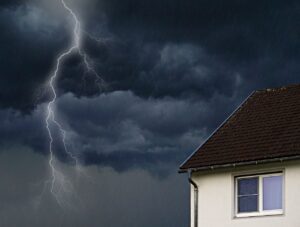
Preparing for a major storm and taking steps to mitigate potential damage is as important as preparing for a flood.
Am I insured for storm damage?
Home insurance policies vary, so it is best to check your policy wording, or ask your broker about the level of cover you have for storm damage.
Most insurers won’t provide cover for normal weather or wear and tear. Some will, however, cover policyholders for wind, water, snow and hail damage if a storm meets certain criteria, providing the home is well-maintained. Criteria may include wind speeds above a certain level, rainfall rates and snow depth.
How to make a claim following flood or storm damage?
If you have home insurance cover through Robert Gerrard, we will guide you through the next steps following a flood or storm. Simply get in touch with your regular contact, and they’ll provide you with all the help and advice you need to get back on track.
Looking for home insurance cover? We can help find you a policy that suits your specific needs. Please feel free to contact us for a tailored quote.
Share This Story, Choose Your Platform!
Now we’re in the grips of winter, and with plummeting temperatures, heavy rainfall and high winds typically predicted over the coming months, it’s time to start thinking carefully about how our homes could potentially be at risk from the likes of seasonal floods and storms, and how to safeguard them.
To help you prepare your home for the worst of winter, we’ve gathered together all the best tips and advice from our insurers and other experts in the know. Read on to learn how to prevent against flood and storm damage, and what to do in the aftermath of a devastating weather event.
Flood damage protection
5.2 million homes are at risk of flooding from the sea or rivers, and 2.8 million are at risk of surface water flooding. That’s one in six UK properties at risk.
Floods can destroy belongings and put homeowners’ health at risk, as well as creating a host of safety hazards. This is why it is so important to take steps to reduce the chances of a flood occurring in the first place wherever possible, as well as mitigating the potential for flood damage within your home.
Your flood damage prevention checklist
There is plenty you can do outside and inside your property to help avoid flooding or damage from floods:
- Landscaping with trees and hedging can be used to help divert water away from your property.
- Flood bags or sacks (NOT sandbags) can keep the main destructive power of floodwater outside of the property.
- Residential flood gate door barriers fitted to external doors are designed to create a waterproof seal, preventing up to 100% of floodwater ingress.
- Floor tiles are less likely to suffer flood damage than carpets or wooden/laminate flooring.
- Electrical sockets are best placed higher up walls in order to avoid water damage.
- Non-return valves will prevent the backflow of water and effluent waste into the property.
- Self-closing airbricks or airbrick covers will prevent floodwater from entering.
- Prepare a household flood plan to help you stay calm during a stressful situation.
What should I do in the event of a flood warning?
If a weather alert has been issued and your home is at risk of flooding, the following precautions could help you prepare and reduce the damage:
- Take clear photographs of your property and its contents.
- Prepare a bag of essentials that you can take with you should you be evacuated from your home.
- Close the covers on your airbricks to prevent flood water from entering.
- Place flood bags or sacks on either side of your doors, or fit your flood gate door barriers if you have them.
- Relocate valuables upstairs or to a higher level.
- Drape curtains over their poles, or remove them altogether.
- Put plugs in sinks and weigh them down to prevent backflow in toilets.
- Unplug electrical equipment and move it upstairs if possible.
- Wrap any large valuables or furniture in large plastic bags, and place buckets or wellington boots around table legs.
- Move vehicles to higher ground.
Finally, be sure to check your home insurance to ensure you are covered for flood damage and to what extent. You should also give careful consideration to how you will keep pets and more vulnerable family members safe.
You can sign up for flood alerts so that you are kept informed of any impending issues.
There is plenty you can do outside and inside your property to help avoid flooding or damage from floods.
Preparing to weather the next big storm
There were three named storms in the UK in 2023. A ‘named storm’ has the potential to cause ‘medium’ or ‘high’ impact in the UK, Ireland or the Netherlands, and is characterised by strong winds, heavy rain, thunder or snow.
Preparing for a major storm and taking steps to mitigate potential damage is as important as preparing for a flood.
How to prepare for a major storm?
If a storm warning has been issued, you are well advised to take the following steps:
- Take clear photographs of your property inside and out, as you may need them as ‘before’ evidence in the event of needing to make an insurance claim.
- Close and fasten all your windows and doors to prevent rain from getting in.
- Check your roof for any missing, loose or damaged tiles. If there is damage that needs repairing, hire a recommended professional.
- Check pipes for leaks – escape of water can be devastating for a property – our dedicated guide to escape of water and how to prevent it is well worth a read.
- Clear guttering – poorly maintained guttering won’t usually be covered on a home insurance policy, so be sure to keep it clear.
- Secure garden furniture, or stash it away in a shed or outbuilding.
- Check your fences to make sure the panels are all fixed firmly in place, and secure any gates as well as your shed door. There are few insurance policies that cover fences, so you should take steps to make sure yours are sound ahead of any impending storm.
- Keep trees well maintained – loose branches and deadwood can be a major hazard during a storm, falling and damaging property and vehicles and potentially injuring people. Be sure to keep your trees adequately pruned and have them checked for any damage or disease by a qualified tree surgeon on a regular basis.
- Park your car safely – preferably in your garage if you have one, but otherwise away from trees, tiles or anything else that could become loose debris in the wind.
- Prepare a home emergency kit to tide you over should you lose power or you need to evacuate your property. Include a torch and spare batteries, a first aid kit, regular medication, warm clothes, important documents and a portable charger.
In the immediate event of a storm, it is safest to stay inside and wait for it to pass. Avoid the temptation to venture outside to repair any damage until the storm has subsided.
You can sign up for email updates from the Met Office to keep you informed about forthcoming storms.
What to do following a storm?
Following the storm and when it’s safe to do so, there are various checks you should make:
Roof – stand back at ground level and look for any visible problems, such as missing tiles or damaged flashing.
Guttering – check guttering for broken roof tiles, debris, moss or leaves. All of these have the potential to cause blockages, which can lead to damp inside the home. They can also weigh down the guttering and cause it to crack the pipes.
Windows – check for cracks that could have been caused by branches knocking against the glass, or leaks that could indicate weaknesses in the window frames. Remember that weak window frames, especially timber ones, can cause a security risk.
Garden – scan for any damage to fences, walls, sheds, greenhouses or garden furniture. Fences are rarely covered on a home insurance policy, but damaged boundary walls may be.
Trees – check for any loose or broken branches that could unexpectedly fall and cause damage post-storm.
Preparing for a major storm and taking steps to mitigate potential damage is as important as preparing for a flood.
Am I insured for storm damage?
Home insurance policies vary, so it is best to check your policy wording, or ask your broker about the level of cover you have for storm damage.
Most insurers won’t provide cover for normal weather or wear and tear. Some will, however, cover policyholders for wind, water, snow and hail damage if a storm meets certain criteria, providing the home is well-maintained. Criteria may include wind speeds above a certain level, rainfall rates and snow depth.
How to make a claim following flood or storm damage?
If you have home insurance cover through Robert Gerrard, we will guide you through the next steps following a flood or storm. Simply get in touch with your regular contact, and they’ll provide you with all the help and advice you need to get back on track.
Looking for home insurance cover? We can help find you a policy that suits your specific needs. Please feel free to contact us for a tailored quote.