


May 31, 2023
Have you ever wondered what all the codes and categories on the back of your driving licence mean? It can be easy to overlook the small print, but this information tells us a lot about the types of vehicle we can drive, and a lot more besides.
Here we look at what all the codes and categories on your driving licence actually mean, and what you could be legally entitled to drive.
Why do I need to worry about driving licence categories?
For some drivers, it’s only categories A and B on the photocard driving licence that matter. But if you’re planning on towing a trailer or caravan, or driving a van, campervan or motorhome over a certain weight, then you’ll need to be familiar with some of the other categories, as driving without the appropriate permissions can void your insurance and lead to prosecution and a possible driving ban.
You should also be aware of any restrictions or conditions you might have to follow when driving.
What are driving licence categories and codes?
On the back of your photocard driving licence, there are columns numbered between 9 and 12.
Column ‘9’ refers to the types of vehicles you can drive. Columns ‘10’ and ‘11’ list the start and expiry dates of your licence for the various categories of vehicle. Column ‘12’ lists the driving licence codes.
Driving licence codes
Driving licence codes specify any conditions you need to meet before you can legally drive.
There are over 50 driving licence codes. Some of the common ones include ‘01’, which relates to eyesight, and ‘02’, which is to do with hearing aids. Many of the codes are concerned with vehicle modifications which some drivers may need in order to drive safely.
Driving licence categories
You are automatically entitled to drive certain vehicles as soon as you get your full driving licence.
Certain permissions can vary from one person’s licence to another, and this is usually down to the DVLA issuing new rule periodically. The date on which you passed your driving test and the date of issue or renewal of the driving licence can influence the types of vehicle you are legally allowed to drive, which is why your permissions ay be different to someone else’s.
Let’s have a look now at the main driving licence categories.
Category A
Category A refers to mopeds and motorcycles. There are various sub categories that apply to different types and sizes of motorcycle, and the rules governing which you are allowed to drive will be different depending on whether your licence was issued before or after 19 January 2013, and whether you passed your test on or after 1 February 2001.
Here’s what you need to know about all category A rules.

Category A refers to mopeds and motorcycles.
Category B
Category B refers to three or four wheeled light vehicles and cars or light vans, with or without trailers.
If you passed your driving test before 1 January 1997, then you will usually be allowed to drive a vehicle and trailer combination up to 8,250Kg maximum authorised mass (MAM). You can view your driving licence information here to check what you are permitted to drive. You are also allowed to drive a minibus with a trailer over 750Kg MAM.
If however you passed your test on or after 1 January 1997, you can only drive vehicles up to 3,500Kg MAM with up to 8 passenger seats, with a trailer up to 750Kg. You can also tow heavier trailers if the total MAM of the vehicle and trailer is not more than 3,500kg.
Here’s what maximum authorised mass means.
In addition, on a Category B licence, if you are over 21 years of age, you can drive motor tricycles with a power output higher than 15kW. Physically disabled drivers with provisional category B entitlement will also have provisional entitlement to ride category A1 or A motor tricycles.
Non-disabled drivers used to be able to ride motor tricycles with a provisional category B licence, but this is no longer permitted.
If you have Category B auto on your licence, you are able to drive a category B vehicle, but only an automatic one.
Category BE allows you to drive a vehicle with a MAM of 3,500Kg with a trailer. The rules for towing changed in December 2021, which is why your driving licence permissions may be different to someone else’s.
The size of the trailer you are permitted to tow depends on the BE ‘valid from’ date shown on your licence. If the date is before 19 January 2013, you can tow any size of trailer within the towing limits of the vehicle. If it is on or after 19 January 2013, you can only tow a trailer with a MAM of up to 3,500kg within the towing limits of the vehicle.
You can use www.towcheck.co.uk to check your vehicle’s towing limits.
A trailer is any type of wheeled vehicle that cannot move on its own, and can include a touring caravan. If you have never towed a trailer or caravan before, it is recommended (although not compulsory) that you take some training.
The ‘National standard for driving cars and light vans’ tells you about the skills, knowledge and understanding you need to tow a trailer or caravan.
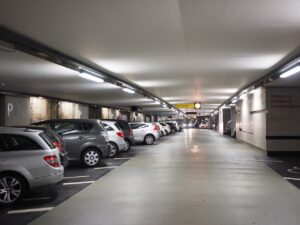
Category B refers to three or four wheeled light vehicles and cars or light vans, with or without trailers.
Category C
Some drivers will assume that Category C doesn’t apply to them if they don’t drive a van. However, if you are planning on driving a campervan or motorhome over a certain weight, even if it’s just a one-off hire for a summer holiday, and your driving licence was issued on or after 1 January 1997, then you will need a Category C licence, for which you will need to take an additional driving test.
The test you must pass is called the Driver Certificate of Professional Competence (Driver CPC). Once you have passed this test, your driving licence will be updated with the appropriate Category C permissions.
Category C1 allows you to drive vehicles between 3,500Kg and 7,500Kg MAM, with a trailer up to 750Kg. You must be at least 18 years old, or 17 if you are a member of the armed services.
Category C allows you to drive vehicles over 7,500Kg.
Category C1E allows you to drive C1 vehicles with a trailer over 750Kg, providing the combined MAM of the vehicle and trailer does not exceed 12,000Kg. You must be at least 21 years of age, or 17 if you are a member of the armed services. If you got your driving licence before 10 September 2009, and the combined MAM of your vehicle and trailer is less than 7,500KG, then you can legally drive on a C1E licence at age 18.
Category CE allows you to drive Category C vehicles with a trailer over 750Kg.
Here’s where you can check which vehicles you can drive and the licence and age requirements for towing.
You can also find more information here about driving a motorhome.
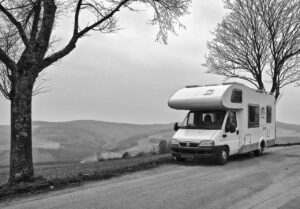
If you are planning on driving a campervan or motorhome over a certain weight, you may need a Category C driving licence.
Remember – without the right driving permissions, your motor insurance will be invalid and you could be prosecuted.
You should also make sure that your driving licence is in date. Licences need to be renewed every 10 years. Driving without an up to date licence is also an offence.
Need a motor insurance quote?
At Robert Gerrard, we offer helpful expertise and tailored insurance solutions to suit a variety of requirements, including private and fleet cover, together with specialist cover for high value, performance, prestige and collectors’ models.
You are welcome to contact us for a motor insurance quotation to suit your individual needs.
Share This Story, Choose Your Platform!
Have you ever wondered what all the codes and categories on the back of your driving licence mean? It can be easy to overlook the small print, but this information tells us a lot about the types of vehicle we can drive, and a lot more besides.
Here we look at what all the codes and categories on your driving licence actually mean, and what you could be legally entitled to drive.
Why do I need to worry about driving licence categories?
For some drivers, it’s only categories A and B on the photocard driving licence that matter. But if you’re planning on towing a trailer or caravan, or driving a van, campervan or motorhome over a certain weight, then you’ll need to be familiar with some of the other categories, as driving without the appropriate permissions can void your insurance and lead to prosecution and a possible driving ban.
You should also be aware of any restrictions or conditions you might have to follow when driving.
What are driving licence categories and codes?
On the back of your photocard driving licence, there are columns numbered between 9 and 12.
Column ‘9’ refers to the types of vehicles you can drive. Columns ‘10’ and ‘11’ list the start and expiry dates of your licence for the various categories of vehicle. Column ‘12’ lists the driving licence codes.
Driving licence codes
Driving licence codes specify any conditions you need to meet before you can legally drive.
There are over 50 driving licence codes. Some of the common ones include ‘01’, which relates to eyesight, and ‘02’, which is to do with hearing aids. Many of the codes are concerned with vehicle modifications which some drivers may need in order to drive safely.
Driving licence categories
You are automatically entitled to drive certain vehicles as soon as you get your full driving licence.
Certain permissions can vary from one person’s licence to another, and this is usually down to the DVLA issuing new rule periodically. The date on which you passed your driving test and the date of issue or renewal of the driving licence can influence the types of vehicle you are legally allowed to drive, which is why your permissions ay be different to someone else’s.
Let’s have a look now at the main driving licence categories.
Category A
Category A refers to mopeds and motorcycles. There are various sub categories that apply to different types and sizes of motorcycle, and the rules governing which you are allowed to drive will be different depending on whether your licence was issued before or after 19 January 2013, and whether you passed your test on or after 1 February 2001.
Here’s what you need to know about all category A rules.
Category A refers to mopeds and motorcycles.
Category B
Category B refers to three or four wheeled light vehicles and cars or light vans, with or without trailers.
If you passed your driving test before 1 January 1997, then you will usually be allowed to drive a vehicle and trailer combination up to 8,250Kg maximum authorised mass (MAM). You can view your driving licence information here to check what you are permitted to drive. You are also allowed to drive a minibus with a trailer over 750Kg MAM.
If however you passed your test on or after 1 January 1997, you can only drive vehicles up to 3,500Kg MAM with up to 8 passenger seats, with a trailer up to 750Kg. You can also tow heavier trailers if the total MAM of the vehicle and trailer is not more than 3,500kg.
Here’s what maximum authorised mass means.
In addition, on a Category B licence, if you are over 21 years of age, you can drive motor tricycles with a power output higher than 15kW. Physically disabled drivers with provisional category B entitlement will also have provisional entitlement to ride category A1 or A motor tricycles.
Non-disabled drivers used to be able to ride motor tricycles with a provisional category B licence, but this is no longer permitted.
If you have Category B auto on your licence, you are able to drive a category B vehicle, but only an automatic one.
Category BE allows you to drive a vehicle with a MAM of 3,500Kg with a trailer. The rules for towing changed in December 2021, which is why your driving licence permissions may be different to someone else’s.
The size of the trailer you are permitted to tow depends on the BE ‘valid from’ date shown on your licence. If the date is before 19 January 2013, you can tow any size of trailer within the towing limits of the vehicle. If it is on or after 19 January 2013, you can only tow a trailer with a MAM of up to 3,500kg within the towing limits of the vehicle.
You can use www.towcheck.co.uk to check your vehicle’s towing limits.
A trailer is any type of wheeled vehicle that cannot move on its own, and can include a touring caravan. If you have never towed a trailer or caravan before, it is recommended (although not compulsory) that you take some training.
The ‘National standard for driving cars and light vans’ tells you about the skills, knowledge and understanding you need to tow a trailer or caravan.
Category B refers to three or four wheeled light vehicles and cars or light vans, with or without trailers.
Category C
Some drivers will assume that Category C doesn’t apply to them if they don’t drive a van. However, if you are planning on driving a campervan or motorhome over a certain weight, even if it’s just a one-off hire for a summer holiday, and your driving licence was issued on or after 1 January 1997, then you will need a Category C licence, for which you will need to take an additional driving test.
The test you must pass is called the Driver Certificate of Professional Competence (Driver CPC). Once you have passed this test, your driving licence will be updated with the appropriate Category C permissions.
Category C1 allows you to drive vehicles between 3,500Kg and 7,500Kg MAM, with a trailer up to 750Kg. You must be at least 18 years old, or 17 if you are a member of the armed services.
Category C allows you to drive vehicles over 7,500Kg.
Category C1E allows you to drive C1 vehicles with a trailer over 750Kg, providing the combined MAM of the vehicle and trailer does not exceed 12,000Kg. You must be at least 21 years of age, or 17 if you are a member of the armed services. If you got your driving licence before 10 September 2009, and the combined MAM of your vehicle and trailer is less than 7,500KG, then you can legally drive on a C1E licence at age 18.
Category CE allows you to drive Category C vehicles with a trailer over 750Kg.
Here’s where you can check which vehicles you can drive and the licence and age requirements for towing.
You can also find more information here about driving a motorhome.
If you are planning on driving a campervan or motorhome over a certain weight, you may need a Category C driving licence.
Remember – without the right driving permissions, your motor insurance will be invalid and you could be prosecuted.
You should also make sure that your driving licence is in date. Licences need to be renewed every 10 years. Driving without an up to date licence is also an offence.
Need a motor insurance quote?
At Robert Gerrard, we offer helpful expertise and tailored insurance solutions to suit a variety of requirements, including private and fleet cover, together with specialist cover for high value, performance, prestige and collectors’ models.
You are welcome to contact us for a motor insurance quotation to suit your individual needs.