


The Fire Safety Act 2021 and the Building Safety Bill Explained
The Fire Safety Act, and the Building Safety Bill when it becomes law, will mark the start of a new era for building safety. Here we explain what the new regulations mean for building owners, residents and the construction industry.

HSE Work Right Campaign Aims to Get Businesses Thinking About Health and Safety
The Health and Safety Executive (HSE) has recently launched its Work Right campaign with the aim of getting businesses thinking about health and safety, and how it applies within their individual workplaces. Spot inspections are also being carried out to ensure businesses are complying with COVID-secure guidance.

All You Need to Know About Insurer Ratings – and Why They Are Important
When arranging insurance, you may have noticed that the different insurance providers have ‘ratings’. In this post we will be exploring insurance ratings in detail, explaining how the ratings work, why they are so important and the risks of using a poorly rated or unrated insurer.

Hand-Arm Vibration Syndrome: Managing the Risk
Hand-arm vibration stems from the regular use of hand-held power tools. It causes painful and disabling disorders of the nerves, joints and blood vessels leading to tingling and numbness and eventually a loss of sensation in the hands and fingers and an inability to grip objects. Fines handed out by the HSE for failings related to HAVS are known to reach six figures, demonstrating that this is a problem that is taken exceptionally seriously. Employers can take the following steps in order to mitigate the risks associated with HAVS.
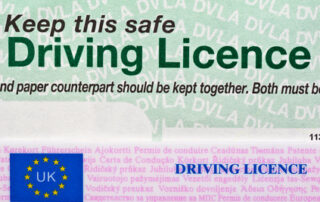
Paper Driving Licences & Counterparts: The New Rules you Need to Know
On 8th June 2015, the paper counterpart to the driving licence photocard is being abolished. From this date, paper counterparts will no longer be issued by the DVLA and won’t hold any legal status. The official advice is that you should destroy the paper counterpart after this date, but keep your photocard licence. The end of the counterpart may seem fairly straightforward, but it has spelled some confusion in two main areas.
Important Advice for Employers of Remote Workers
According to research by the Office for National Statistics, 13.9% of UK workers do their jobs remotely: that’s 4.2 million people. The remote working population has grown by 1.3 million since 2008 and is at its highest level since records began in 1998. Remote working certainly has its advantages, both for employers and employees. However, for employers there are considerations to be made concerning health and safety, data protection and physical risks – and insurance.